
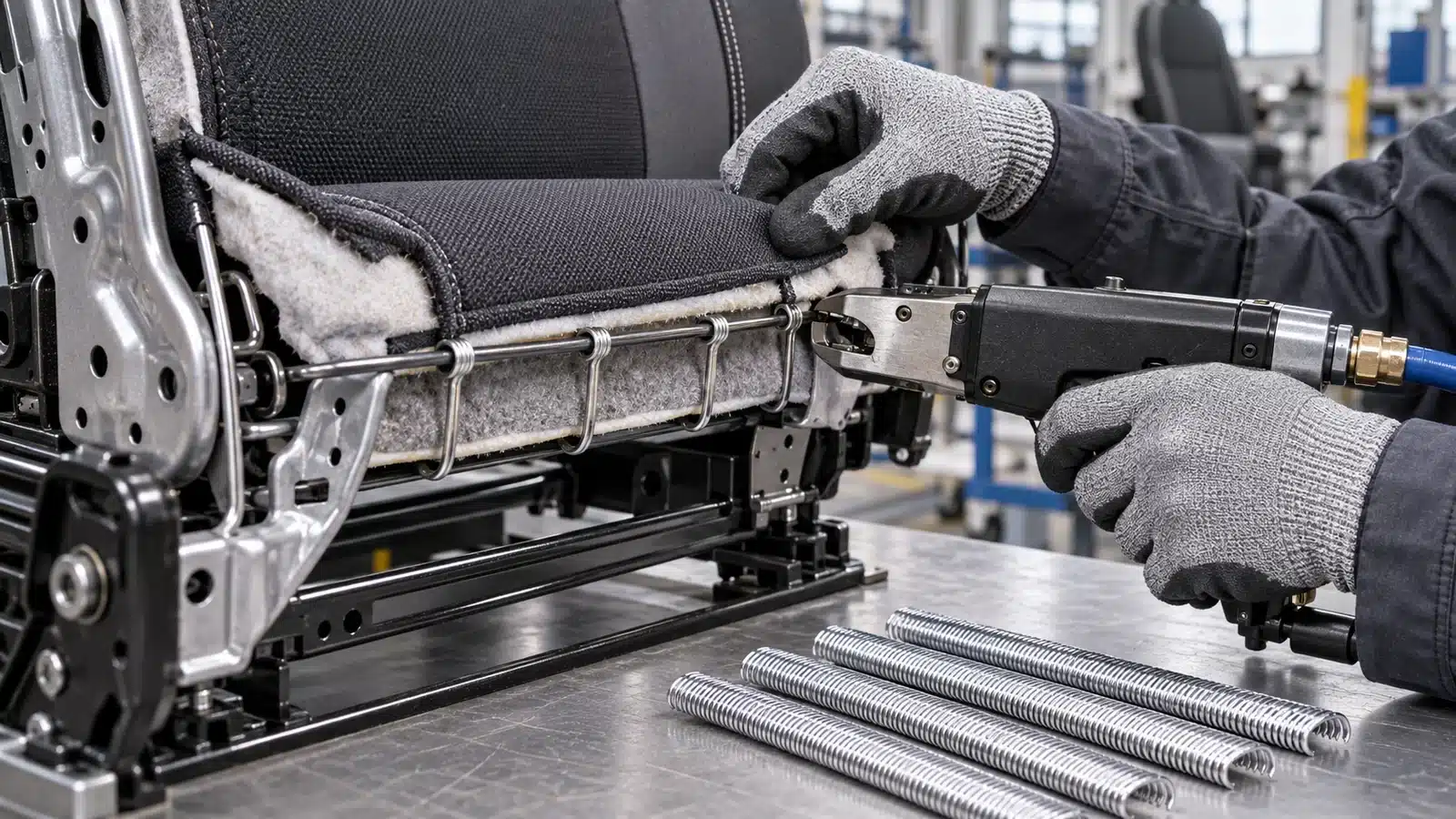
An automotive seat-trim joint is not defined by fabric thickness alone. The listing wire, seat-frame rod, foam edge, trim reinforcement and access angle form the stack that a hog ring must close around. A useful trial therefore starts with a section of the real seat assembly and ends with a retained closure sample. Choosing a ring from the finished outside diameter alone can hide crushed material, an open joint or a tool-access problem.
إن C17 and C24 hog-ring product page lists both families with 1.60 mm wire. C17 is listed at 16.9 mm wide by 8.7 mm high and pairs with the SC760B tool for clamped-material diameters of 3.2–4.8 mm. C24 is listed at 24 mm wide by 12 mm high; SC7C covers 4.8–8.0 mm and SC7E covers 7.8–10 mm. These published ranges are a starting boundary, not a substitute for a seat-specific closure trial.
Define the Joint Before Selecting the Ring
Mark every proposed attachment point on the seat-section drawing. At each point, identify the frame or listing wire, trim channel, reinforcement and any folded material that enters the closure. Measure the assembled stack where the ring will actually close. Record the largest and smallest conditions instead of averaging unlike locations.
Photograph the access direction and the space available for the tool nose. A ring that fits the material diameter can still be impractical if the tool cannot approach squarely or if the operator must distort the trim to reach the joint. Separate seat-back, cushion, bolster and corner conditions when their stack or access differs.
The existing C17 versus C24 size-and-tool guide provides the family-level dimensions. This automotive trial adds the exact seat joint, cosmetic limits and repeat-cycle evidence that a production release needs.
Bind the Ring to the Correct Tool
Label the trial ring with family, material, finish, lot and supplier sample ID. Record the tool make and model, nose condition, air setting under the tool maker's procedure and any approved fixture. C17 belongs with SC760B in the published pairing; C24 belongs with SC7C or SC7E according to the clamped-material range. The tools remain distinct even when the ring strip looks similar.
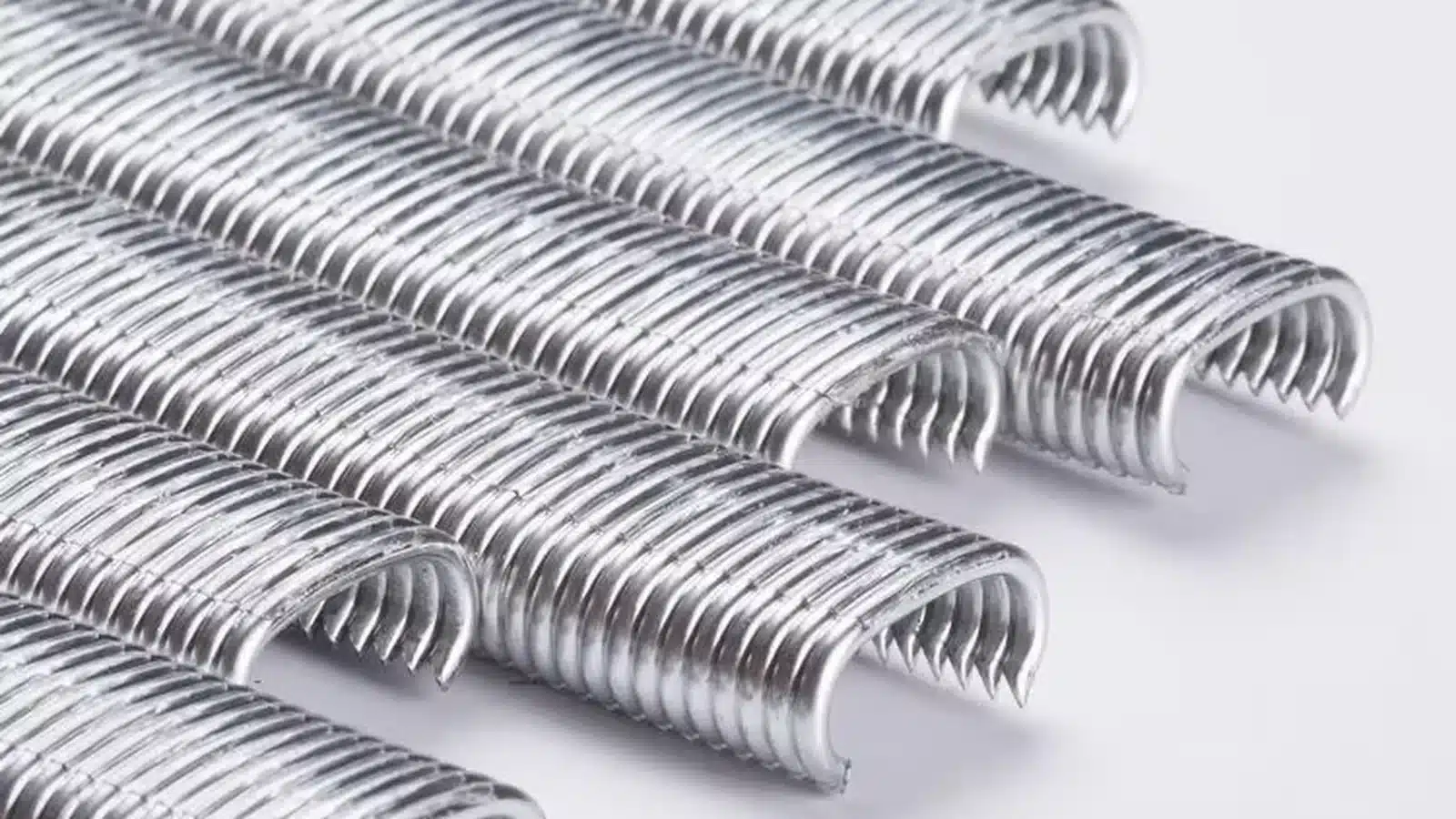
Load and cycle the sample under the intended safe operating procedure. Record feed consistency separately from joint quality. A feed event belongs to the ring/tool record; fabric marking, wire movement, foam compression and closure shape belong to the joint record. That separation prevents a setup fault from being reported as a ring-size decision. Treat the paired tools as distinct even when their ring strips look similar.
Approve the Closure on a Real Seat Section
Run enough joints to include straight sections, corners and difficult access points. Inspect the ring for an open gap, excessive overlap, twisting or off-centre capture. Check that both intended members remain inside the closed ring and that the trim surface meets the buyer's appearance limit. Avoid publishing a universal closure dimension: the accepted shape belongs to the approved stack, tool and sample.
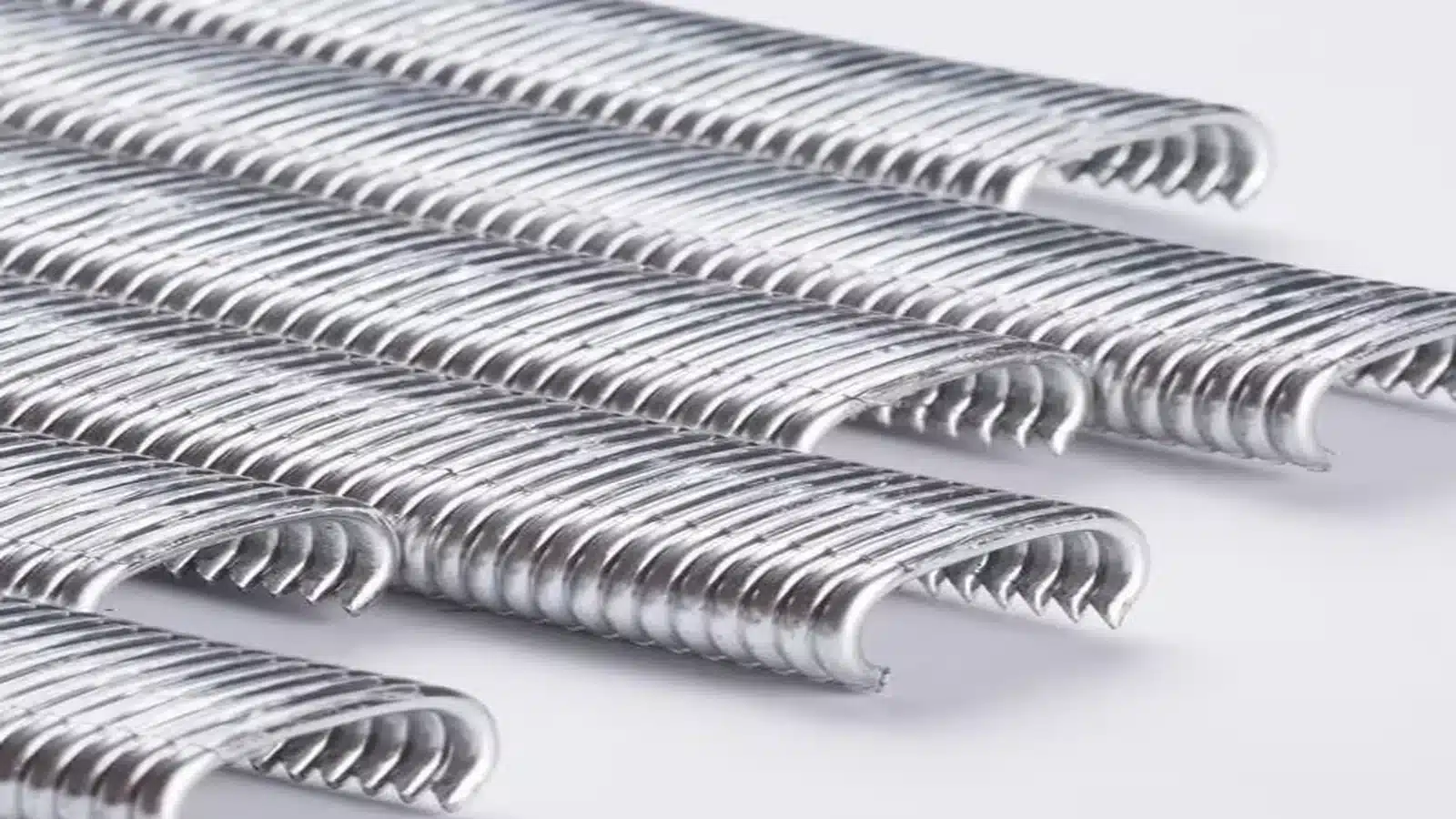
The earlier closure-sample inspection method is useful for recording the finished ring. Add seat-location IDs, trim appearance and pull or retention checks defined by the buyer's engineering plan. Any destructive or performance test should follow the responsible customer's specification rather than an invented generic threshold.
Retain accepted and rejected samples. Photograph each from the same angles and tie it to the ring lot, tool and seat-section revision. If the listing wire, trim material, frame rod, tool or ring finish changes, reopen the affected part of the trial.
Release One Reproducible Combination
The release sheet should name the seat program or sample, joint location, measured stack, C17 or C24 family, finish, tool model, setup, accepted closure and inspection method. Include the corrosion environment and required material choice; galvanized and stainless options are listed, but the buyer must approve the exposure requirement.
This record gives purchasing a precise RFQ and gives production a repeatable setup. It also prevents a successful joint on one easy seat location from becoming a blanket approval for every attachment point.
Related Hog-Ring Controls
- Match SC760B, SC7C and SC7E to the ring family
- Compare galvanized and stainless C hog rings
- Plan a mattress border-wire closure trial
Request an Automotive Seat-Trim Trial Review
Send the seat-section drawing, listing-wire and trim-stack measurements, ring sample, tool model, closure photos, cycle target and corrosion requirement through the FastenerNails inquiry page. Ask for the C17 or C24 proposal to be tied to one traceable seat-joint trial.
 Arabic
  English
  Spanish
  Portuguese