
A carton-closing staple should be selected against the real board stack, the stapler and the required closure pattern—not from leg length alone. The practical first step is to name the tool series, count the corrugated layers at the seam and measure the compressed stack used in production. Only then should a buyer shortlist a staple and run a controlled closing trial.
إن industrial staples product page lists 16 industrial series, including 80, 90, 92, 100, 32, 35, 84, 97, 50, 71, 4J, 10J, 10F, 12F, K and N. It also gives a 4–25 mm leg-length range and galvanized, copper-coated and stainless-steel material options. That breadth is useful, but it makes an exact series and sample more important—not less.
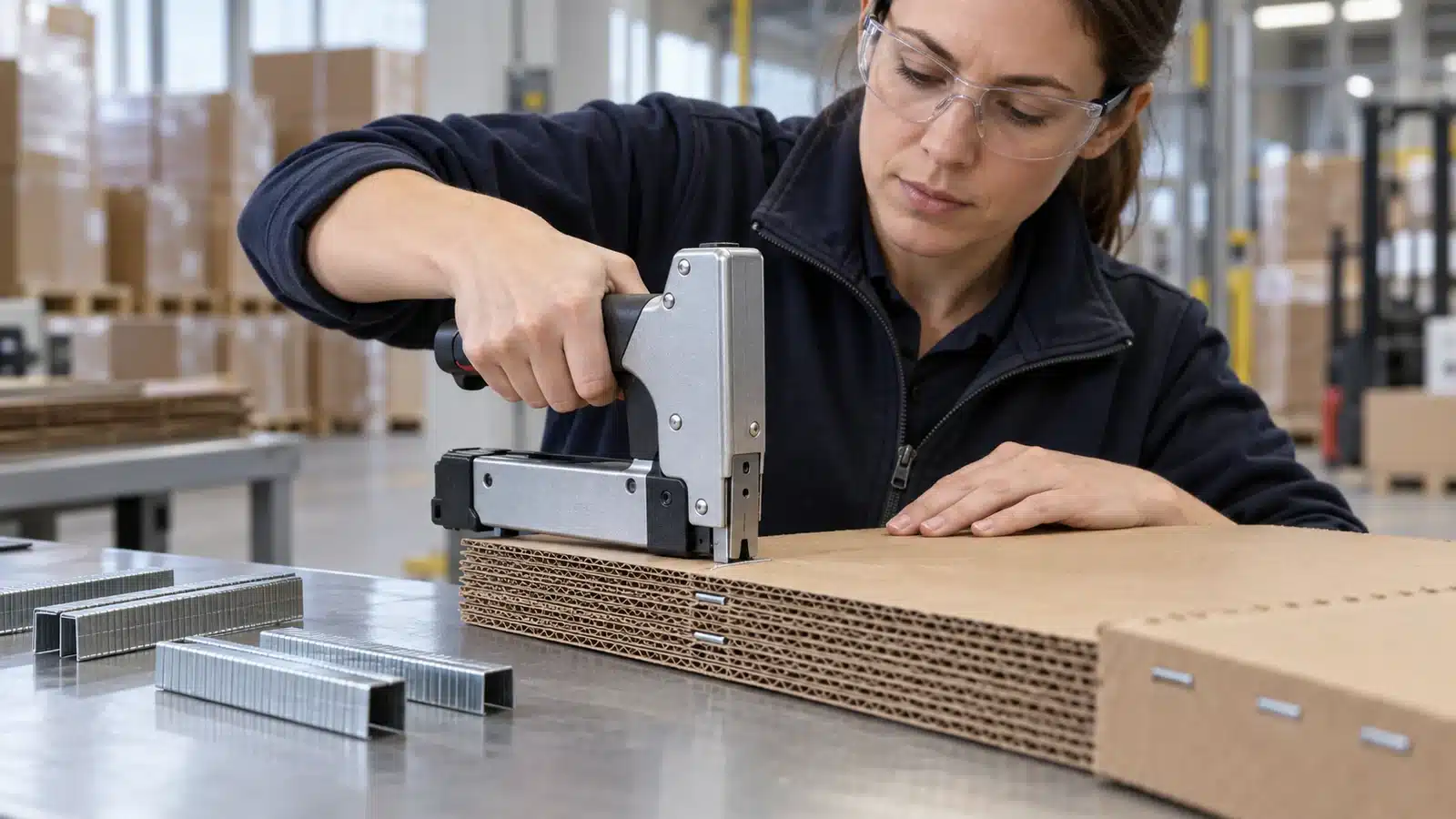
Lock the Stapler Series Before Comparing Leg Length
Start with the stapler nameplate, manual and current fastener. Record the series, crown width, wire section, leg length and strip form. An industrial staple that looks similar can still jam, sit poorly in the magazine or fail to feed when the series is wrong. Ask for a compatibility guide when the tool record is incomplete.
The existing industrial staple leg-alignment inspection is a useful incoming check after a candidate series is chosen. It covers parallel legs, point direction and crown shape. The present decision comes earlier: matching the fastening system to the carton seam and defining what an acceptable closed sample looks like.
Measure the Board Stack at the Actual Seam
Carton flaps can create two, three or more board layers depending on the closure design. Measure the uncompressed stack, then record how the board behaves under the same support and pressure used in production. A stated carton wall thickness does not automatically describe the seam.
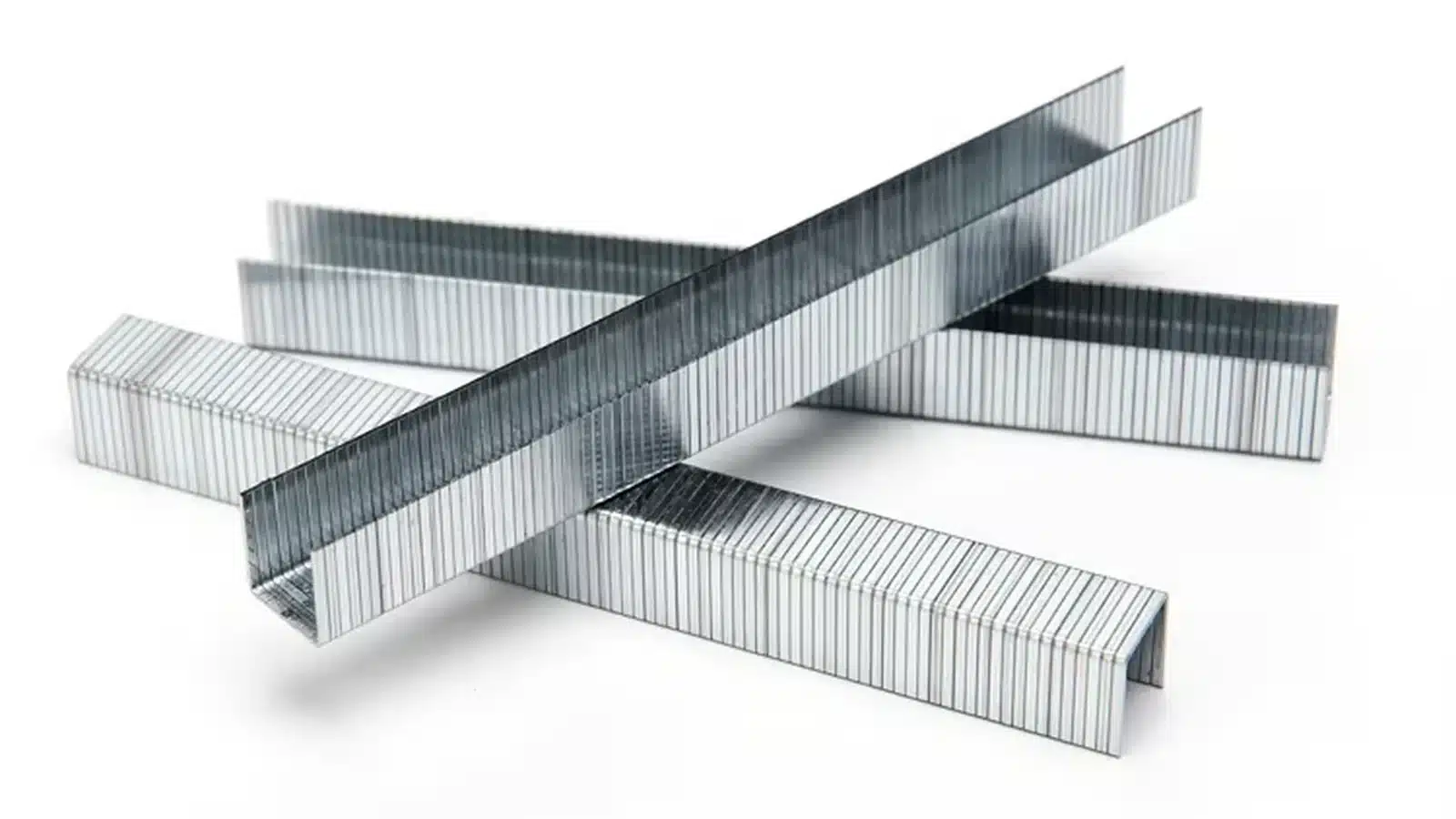
Use the published 4–25 mm range as a catalogue boundary, not a formula. The selected leg must suit the compressed stack and the required clinch or hold without cutting through the outside face, leaving dangerous points or crushing the flute structure. Crown width also matters because it distributes load across the board surface. A narrow and wide crown should not be treated as interchangeable unless the tool and joint have been approved for both.
Run a Repeatable Carton-Closing Trial
Prepare cartons from the intended board grade and conditioning state. Use the production stapler, air setup or mechanical setting, support surface and operator position. Close samples at the proposed spacing, including starts, corners and the central seam. Record sample quantity and every rejection reason.
Check crown seating, board tearing, visible leg points, clinch consistency, flap movement and separation after normal handling. Photograph the outside and inside of each accepted sample. A short bench trial establishes evidence for this board, tool and setup; it does not prove performance for every carton grade or shipment route.
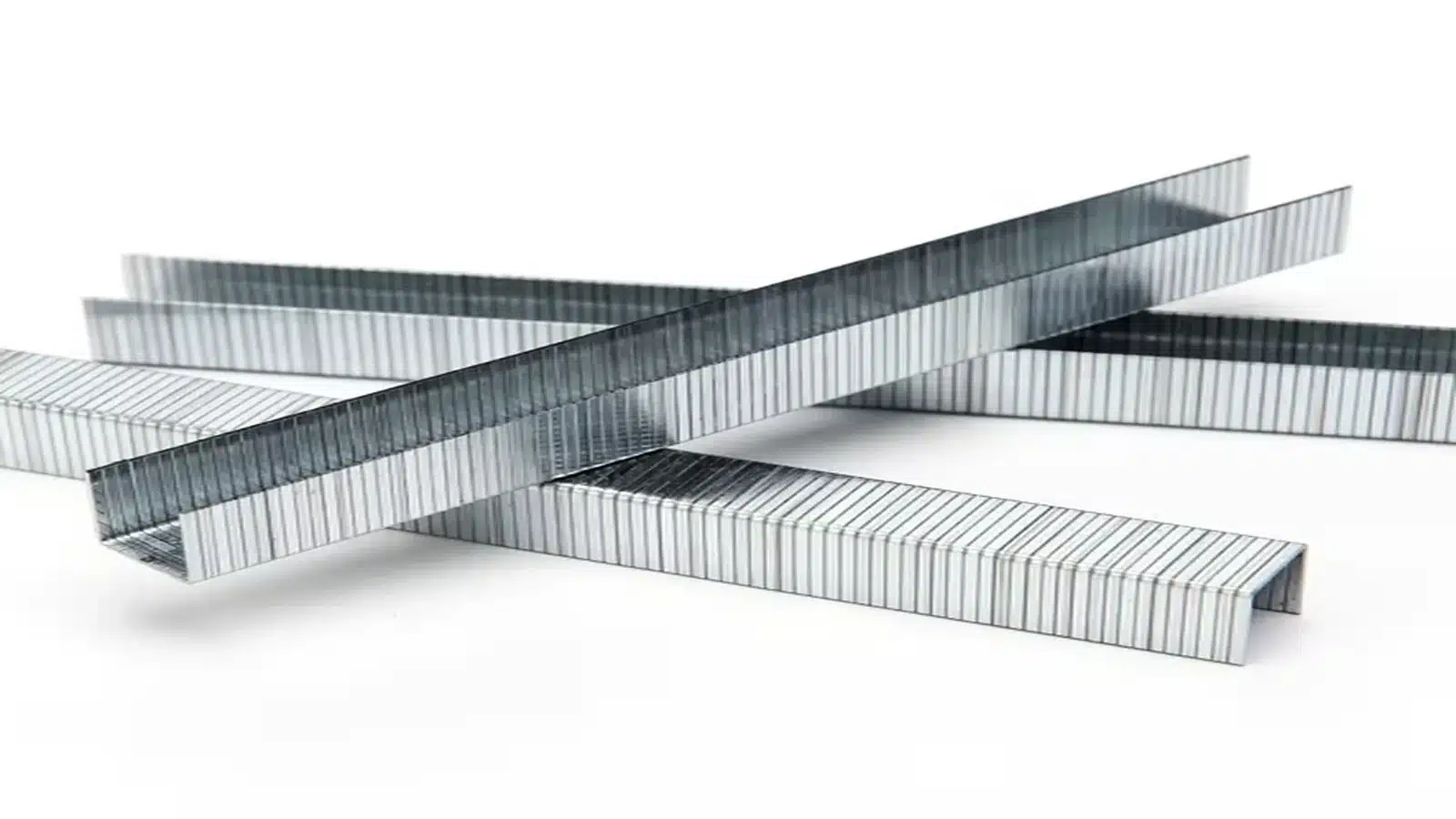
Material choice belongs on the same approval sheet. Galvanized, copper-coated and stainless options are documented, but the correct choice depends on storage humidity, exposure, carton contents and buyer requirements. A material change should trigger a new sample check rather than being treated as an invisible substitute.
Release One Traceable Staple Specification
The purchase line should state series, crown, wire, leg length, material, finish, strip quantity and packing. Attach the accepted carton sample or clear photos, board grade, stack description, staple spacing, stapler model and setting. Identify who can approve a change.
This record prevents three common substitutions: a similar-looking series, a different leg length and an unapproved material. It also gives receiving staff a simple comparison point when cartons of fasteners arrive.
Related Industrial-Staple Checks
- Compare narrow- and wide-crown industrial staples by joint and tool series
- Approve carton labels with series, leg length, material and lot identity
- Inspect staple strips for bent crowns, breaks and mixed series
Request a Carton-Closing Sample Review
Send the stapler model, board grade, total seam thickness, closure pattern, proposed staple, sample photos and destination conditions through the fastener RFQ contact page. Ask for the exact series and material to be confirmed before the trial lot is released.
 Arabic
  English
  Spanish
  Portuguese