
A repeat order is not automatically the same order. A distributor may repeat a familiar series number while a leg length, crown form, surface material, strip arrangement, carton label or tool pairing changes somewhere between the quotation and production release. The safest release point is a side-by-side check against the retained sample that was approved for the previous order.
En industrial staples product range covers industrial series including 80, 90, 92, 100, 32, 35, 84, 97, 50, 71, 4J, 10J, 10F, 12F, K and N, with documented leg lengths from 4 to 25 mm and galvanized, copper-coated or stainless material options. Those choices make “same staples as last time” too vague for a production requirement.
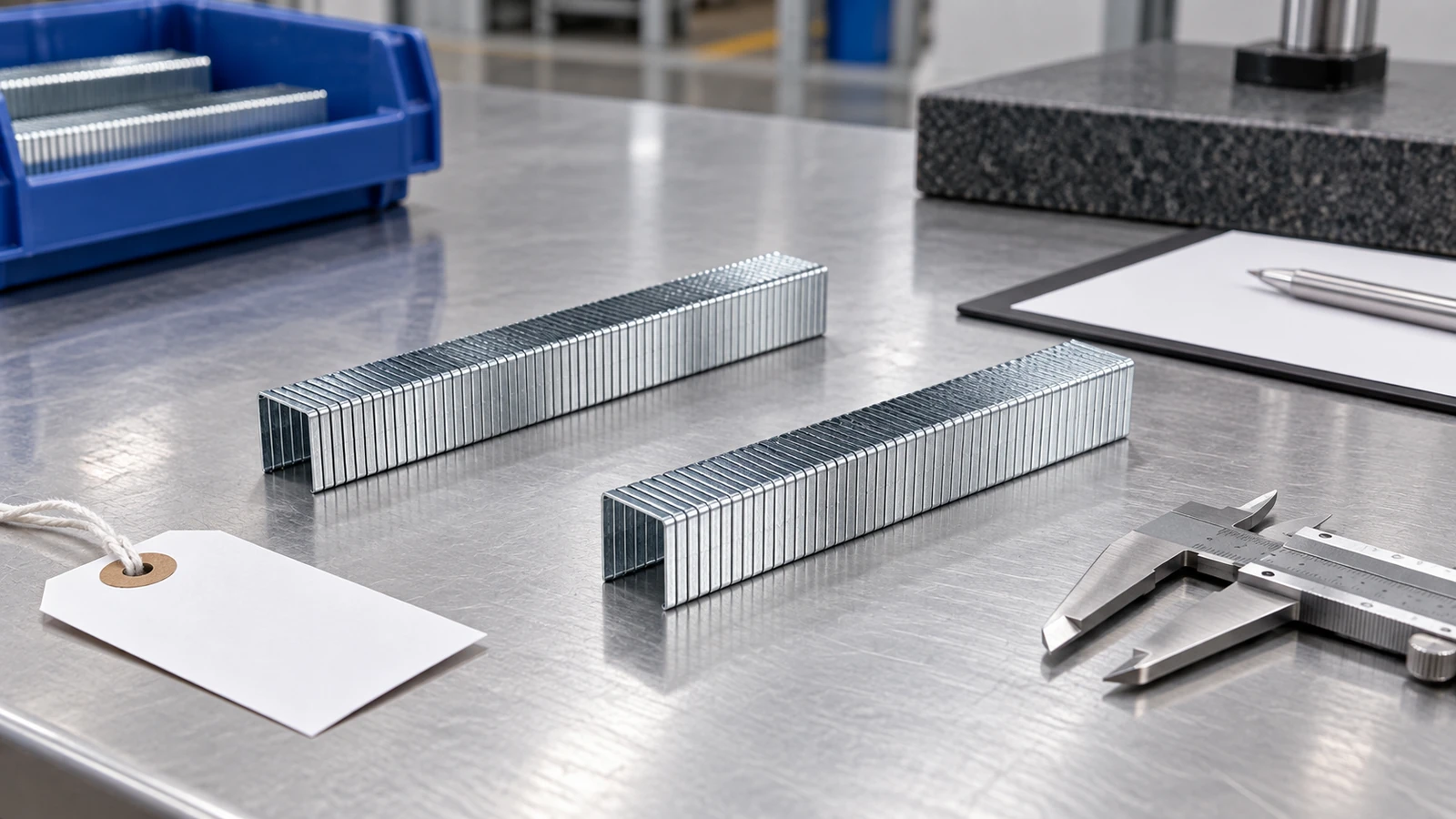
Start With a Traceable Retained Sample
Keep the approved strip in a sealed, identified sample bag or box. Record the supplier, order reference, staple series, nominal leg length, declared material or coating, approval date and the tool used for the accepted trial. The sample should remain clean and undamaged; a bent or corroded strip cannot serve as a reliable visual reference.
The retained piece is evidence of what was accepted, not a substitute for the written specification. If the old label and the purchase order disagree, stop the release and resolve the discrepancy in writing. The industrial staple carton-label approval method is useful here because it keeps series, leg length, material and lot identity tied to the same order row.
Compare Identity Before Dimensions
Place the retained sample and new pre-production sample in separate marked trays. Confirm the series and intended tool family first. A strip that looks close can still belong to a different system and may feed poorly or jam. Then compare the declared crown, leg length, wire form, point direction, strip length or count presentation, collation condition and surface appearance.
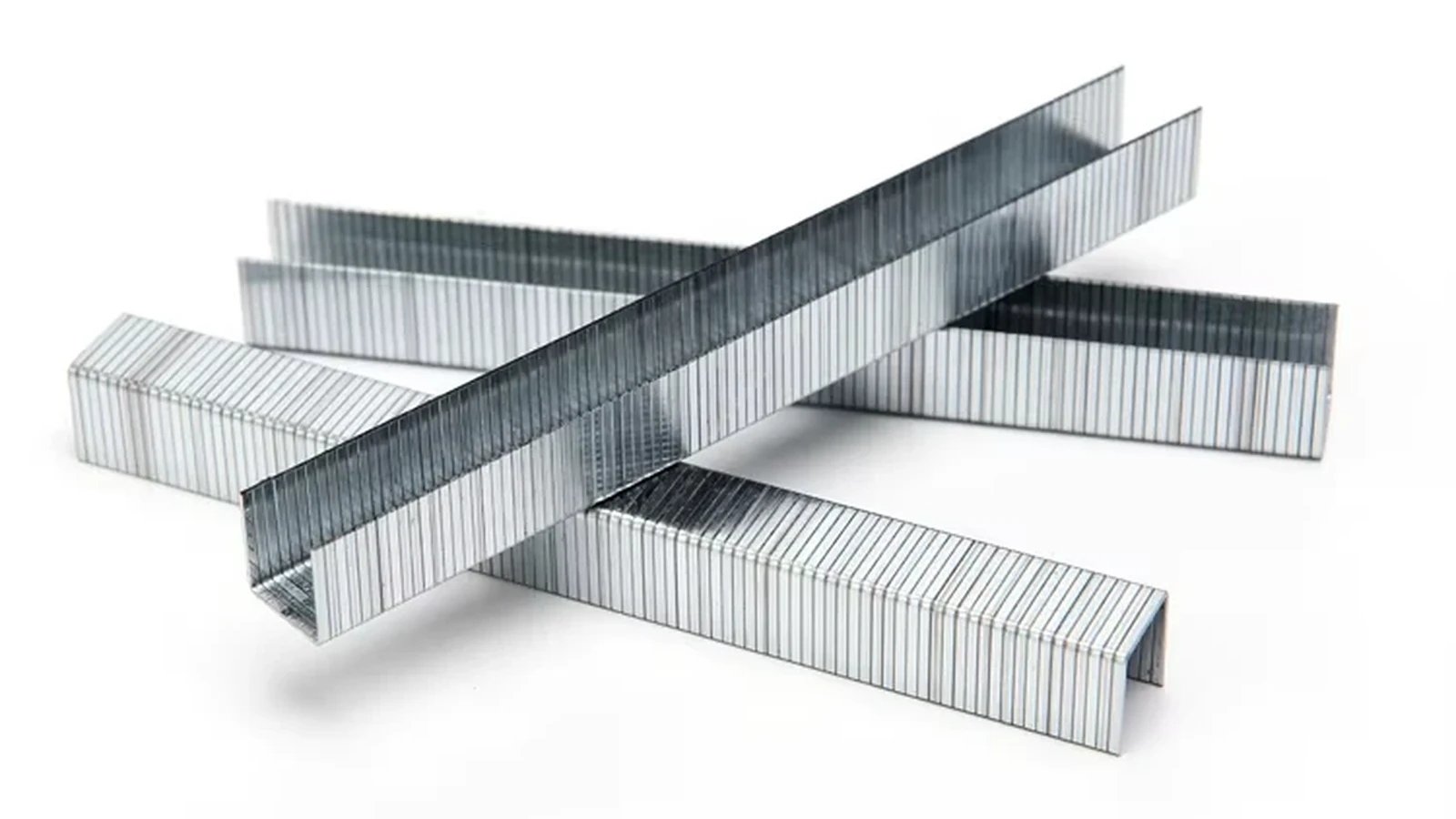
Use calibrated measuring equipment and the agreed drawing or datasheet for dimensional acceptance. A photograph beside a ruler is helpful for traceability but should not replace a controlled measurement. Record the instrument, measured points and result rather than writing only “same as sample.”
Keep Material and Finish on the Reorder Line
Galvanized, copper-coated and stainless options belong on the purchase-order line and sample record. Visual color alone is not enough to prove material identity. Ask the supplier to state the ordered material or finish in the quotation, production acknowledgement, packing list and label artwork. If exposure conditions changed since the previous order, treat the material decision as a new approval instead of copying the old selection.
Check Strip Condition and Tool Feed Separately
Inspect straightness, crown alignment, leg direction and broken or loose collation before the tool trial. A comparison batch should use the buyer's actual compatible tool, representative work material and a documented test setup. Keep tool condition, air supply and operator technique separate from the staple result so a feeding problem is not assigned to the wrong variable.
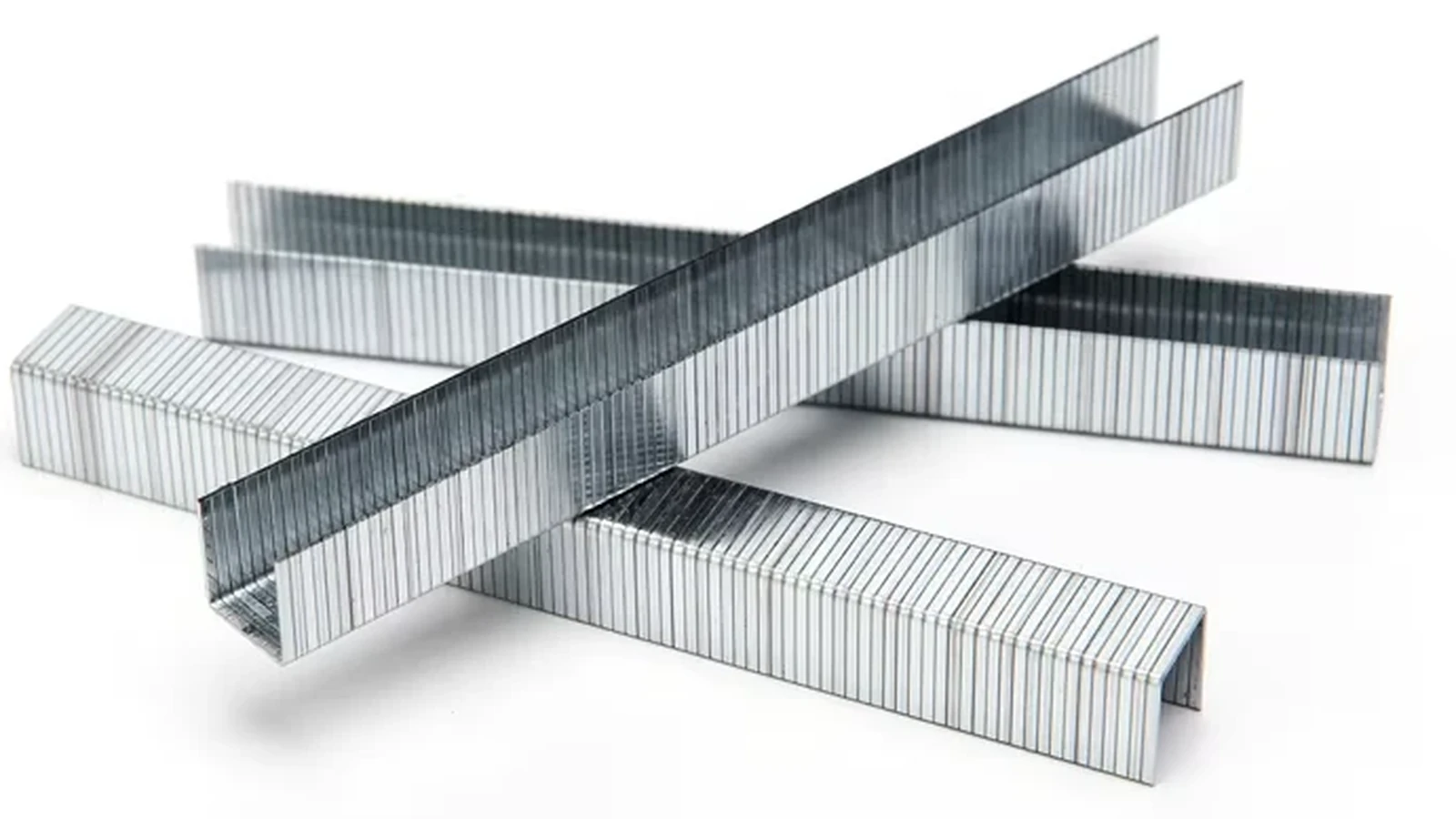
Record sample quantity, observed misfeeds, visible deformation and the disposition of every tested strip. A short trial proves only the tested combination. It does not justify a claim about every tool, material thickness or production condition.
Release With a One-Page Reorder Record
The final record should show the current purchase-order line, previous approved sample ID, new sample ID, measured attributes, declared material, label revision, tool-trial reference, deviations and approver. Any approved change needs a dated note. Unresolved differences stay open rather than disappearing into email threads.
Related Staple Checks
- Inspect staple leg alignment and crown shape before a tool trial
- Compare galvanized, copper-coated and stainless industrial staples
- Match narrow- and wide-crown staples to the joint and tool
Request a Model-Bound Reorder Review
Send the staple series, leg length, material or finish, tool model, application material, previous order number, retained-sample photos and requested packaging through the fastener RFQ contact page. Ask for a current pre-production sample and written deviation list before releasing the bulk reorder.
 Spanish
  English
  Arabic
  Portuguese