
A hands-on, real-world guide from someone who has actually been inside pallet workshops, not just repeating textbook specs.
Let me be honest here:
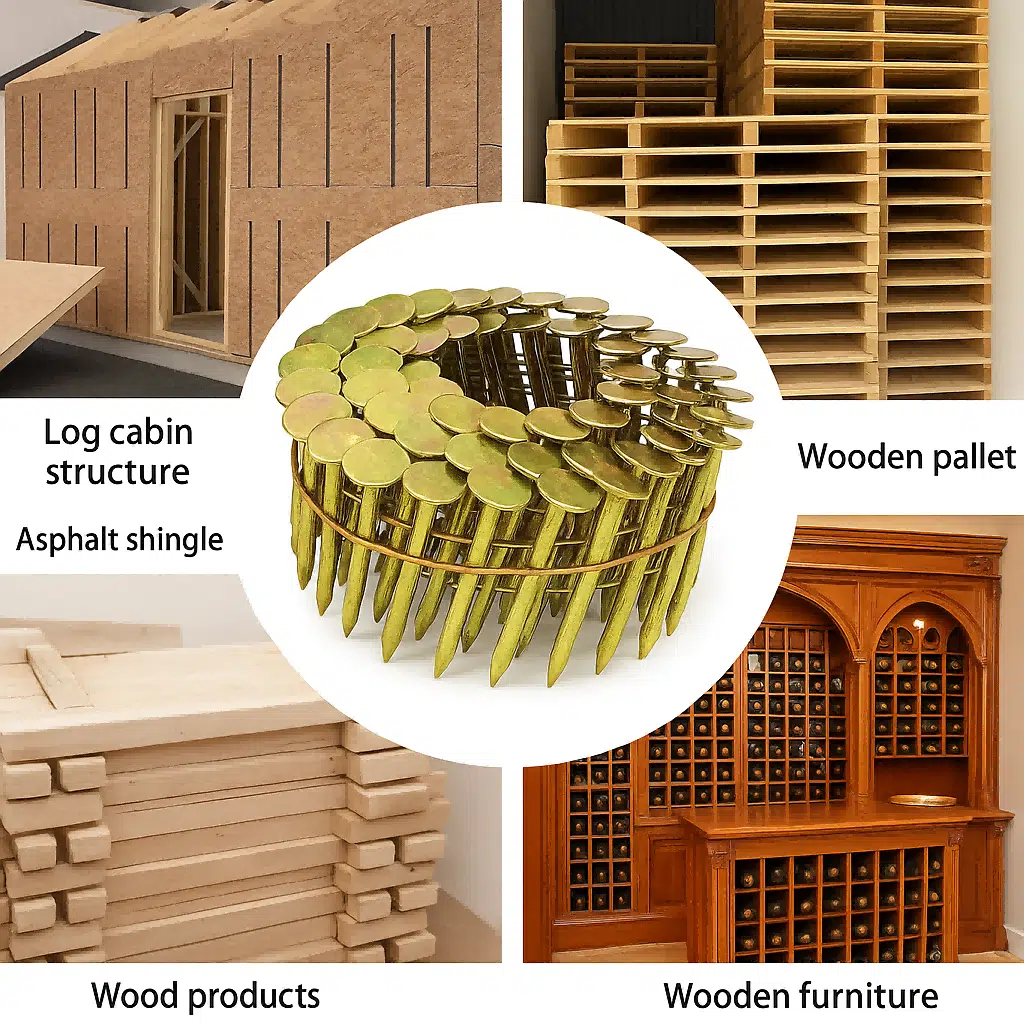
If you’ve ever walked through a pallet workshop—the real ones, with sawdust in the air and compressor noise humming in the background—you already know how fast everything moves. Nobody has time to think too much. The nailer fires, boards come in, boards go out, and the guys on the line just want one thing:
“Please don’t jam. Please don’t split the wood. Please just go in clean.”
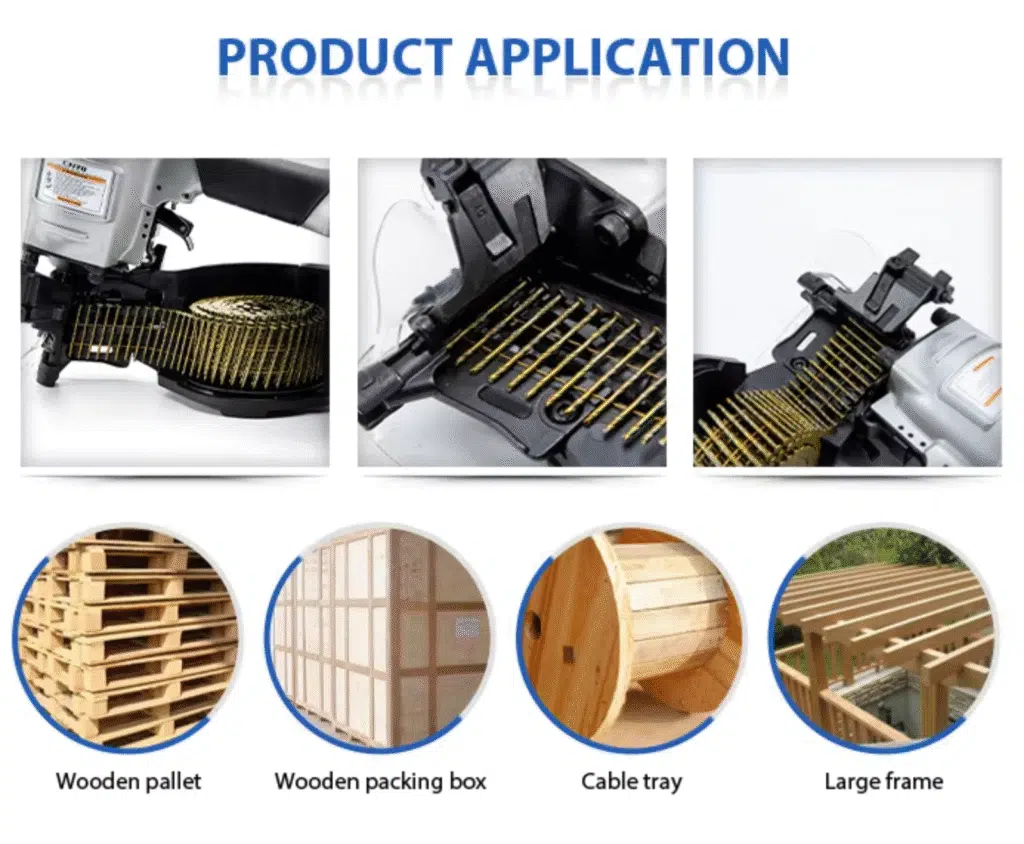
That’s why people who make pallets don’t really talk about “coil nails” like some fancy technical thing. They talk about them like something they must rely on every single minute. And oddly enough, the quality of that tiny piece of metal ends up determining whether the whole pallet holds up during forklift loading, stacking, shipping, or a random rainy day in the yard.
So yeah—coil nails for pallet making matter more than people give them credit for.
Let’s walk through this the way an old pallet factory supervisor might explain it to a new guy, not the way a marketing brochure would.
Why Pallet Guys Stick to Coil Nails (and Never Go Back to Loose Nails)
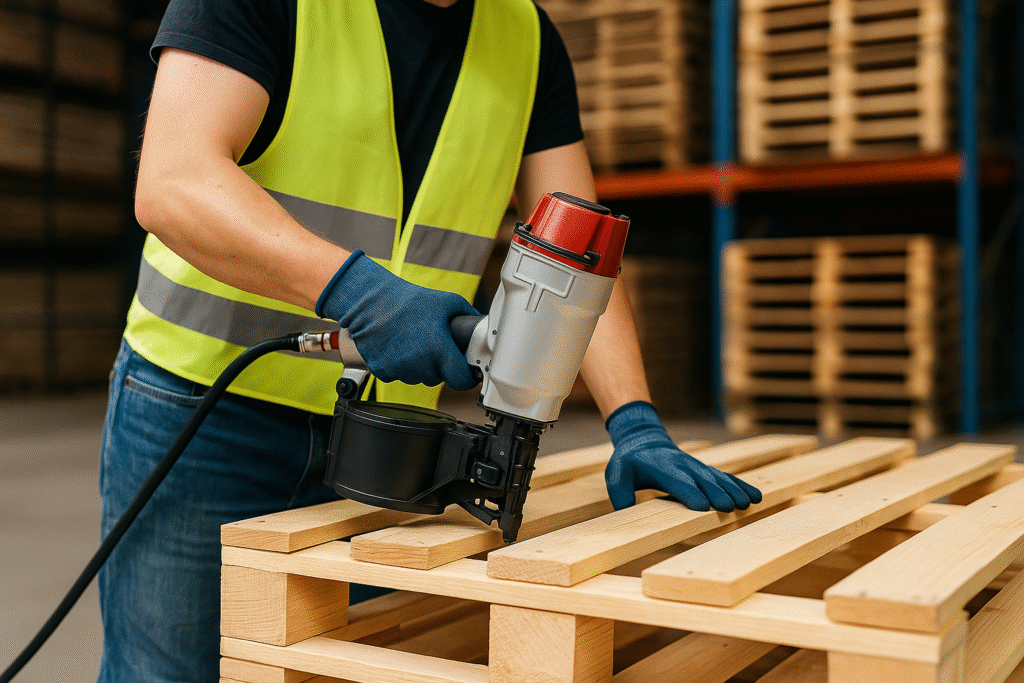
The first thing to understand is that pallet production is all about rhythm.
If your tool or your nails break that rhythm, the whole line slows down.
Coil nails simply keep the pace.
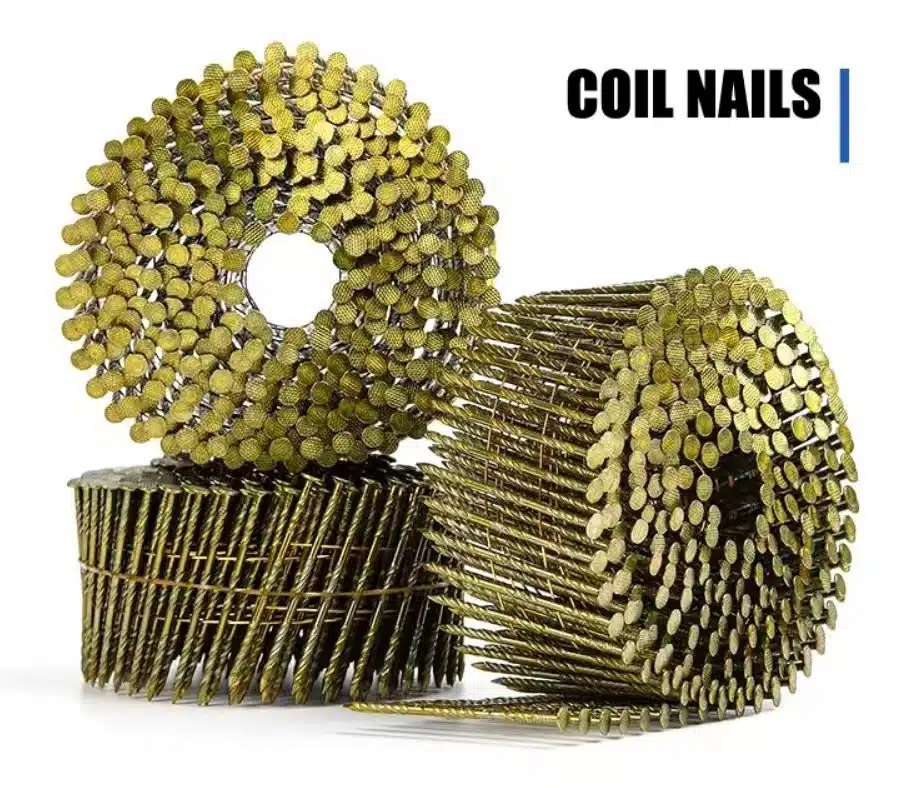
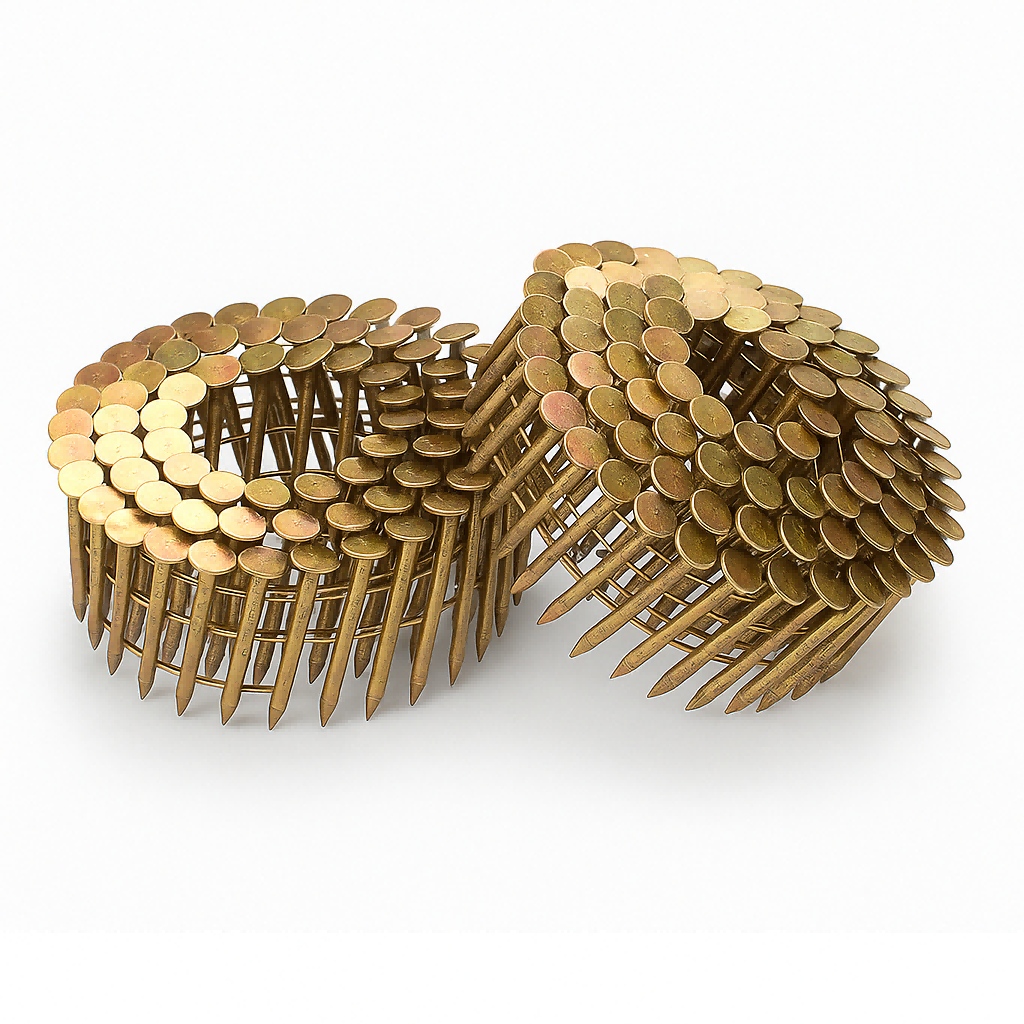
A coil holds a few hundred nails, and you barely need to stop to reload. If you’ve ever seen a worker reload loose nails every few minutes, you’ll immediately get why nobody wants to go back.
And because the nails are neatly lined, welded, and glued in a coil, they feed smoothly. Less stopping. Less shaking the nailer trying to fix a jam. Less cursing.
In pallet factories, that matters more than any fancy technical metric.
Shank Types: Don’t Let Anyone Tell You They’re “All the Same”
They are not.
Actually, it’s kind of funny—if you talk to five pallet guys, you’ll get five different opinions. But generally, the rules are pretty consistent:
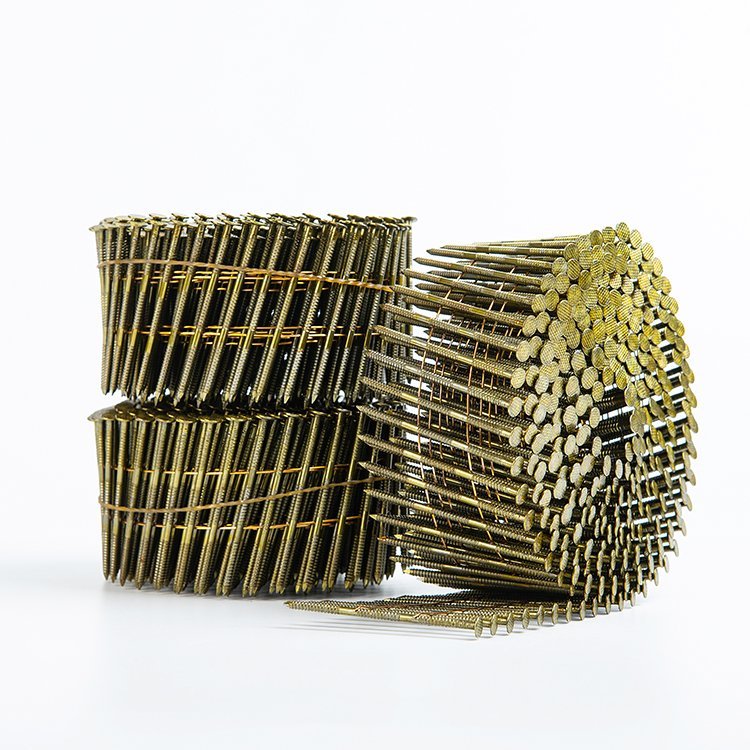
- Ring shank → best for softwood, holds tight
- Screw shank → great for hardwood, bites aggressively
- Smooth shank → cheap, fast, easy, but… yeah… don’t expect miracles
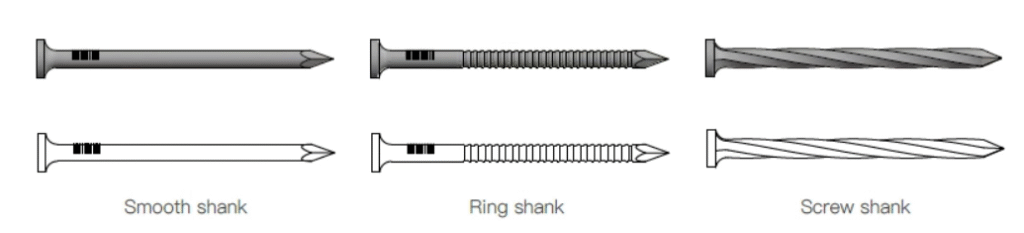
If you’re making standard Euro pallets or export pallets that haul heavy machinery, most people go for screw or ring shank.
Smooth shank is for when cost is king and the pallets aren’t going far.
Think of it like choosing tires for a car.
They’ll all roll, but some will keep you on the road, and some will have you sliding around.
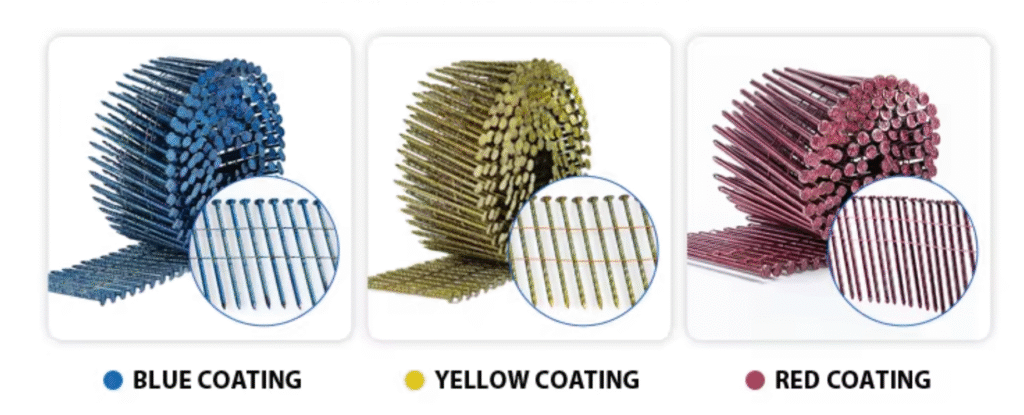
Let’s Talk Coating (Because Rust Is Nobody’s Friend)
I’ve seen people argue about whether mild steel nails are “okay” for pallets. The real answer is:
It depends on where the pallet is going and how long it needs to last.
Here’s the honest breakdown:
Bright nails
They rust. Quickly.
Good for indoor use or single-trip pallets.
Electro-galvanized
Common, affordable, clean look.
This is what most factories settle for.
Hot-dip galvanized
Heavy-duty, thick coating, long-term outdoor protection.
If your pallets are going across the ocean or sitting in a humid warehouse, this is the safe choice.
Rust doesn’t just look bad—it weakens the joint.
And no customer wants a rusty nail head scraping their products.
Size: The One Thing You Shouldn’t Guess
I’ve seen first-time buyers say:
“Just give me the standard size.”
The thing is—there is no “standard.”
Your nail size depends on:
- your lumber thickness
- whether the boards are softwood or hardwood
- how deep you want the nails to sink
- the load rating of your pallet
Most buyers use something between 45mm and 70mm, usually around:
- 2.1×45mm
- 2.3×50mm
- 2.5×55mm
- 2.8×65mm
- 3.1×70mm
If your boards are 15–22mm thick and you want them to stay in place, use a nail long enough to bite into the stringer.
Too short → boards loosen
Too long → boards split
Too thin → weak holding power
Too thick → cracks everywhere
There’s no magic—just matching the nail properly to your lumber.
Quality: The Part Many Buyers Don’t Notice Until It’s Too Late
If you talk to a pallet worker, you’ll hear this one sentence often:
“Bad nails slow everything down.”
And they really do.
Here’s what “bad nails” cause:
- jams in the nailer
- nails bending mid-shot
- coils breaking apart
- nails not feeding evenly
- shank depth inconsistent
- coating flaking off
You’ll end up with wood waste, tool downtime, frustrated workers, and pallets that look like they were built on Monday morning after a long weekend.
People think they save money buying cheaper nails.
But they pay for it ten times over with slower production.
Working with the Right Supplier Actually Matters
A good coil nail supplier will understand:
- your lumber type
- your pallet design
- your production speed
- your nailer model
- the weather conditions in your region
- your customer’s loading requirements
A bad supplier just asks:
“What size you need? How many boxes?”
You want someone who actually knows how pallet lines run, because nails are the smallest part of your cost but the biggest factor in your production efficiency.
A Few Honest Answers to Real Questions
Do coil nails cost more than loose nails?
A bit, yes.
But you save labor and avoid downtime.
Overall, they’re cheaper.
Can I mix shank types?
You can.
But your pallet quality becomes unpredictable.
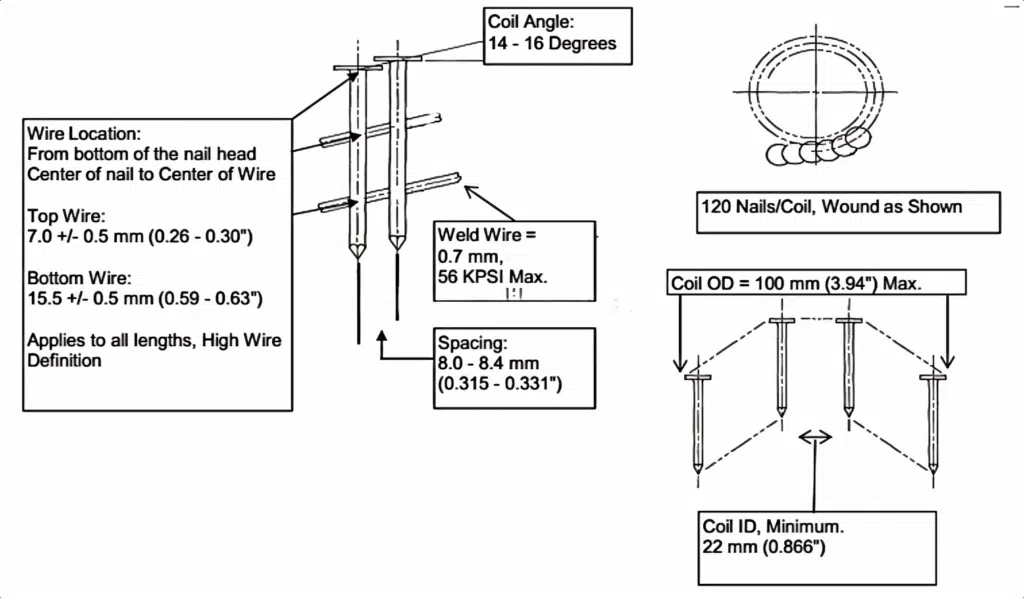
Are 15° coil nails universal?
Almost, but check your tool brand. Some guns prefer specific coil diameters or welding styles.
Final Thought: A Pallet Is Only as Strong as Its Nails
People focus on the lumber, the fumigation certificate, the loading capacity—but the truth is simple:
Your pallet starts to fail the moment your nails fail.
A good coil nail gives you:
- better grip
- cleaner shooting
- fewer stoppages
- fewer cracked boards
- fewer customer complaints
If you’re in the pallet business and you’ve been struggling with inconsistent quality or production slowdowns, don’t overlook the nails. They’re small, but they decide everything.



 English
  Arabic
  Spanish
  Portuguese