
Engineering the Envelope: Why High-Spec Umbrella Nails are Non-Negotiable for Ghana’s Coastal and Tropical Infrastructure
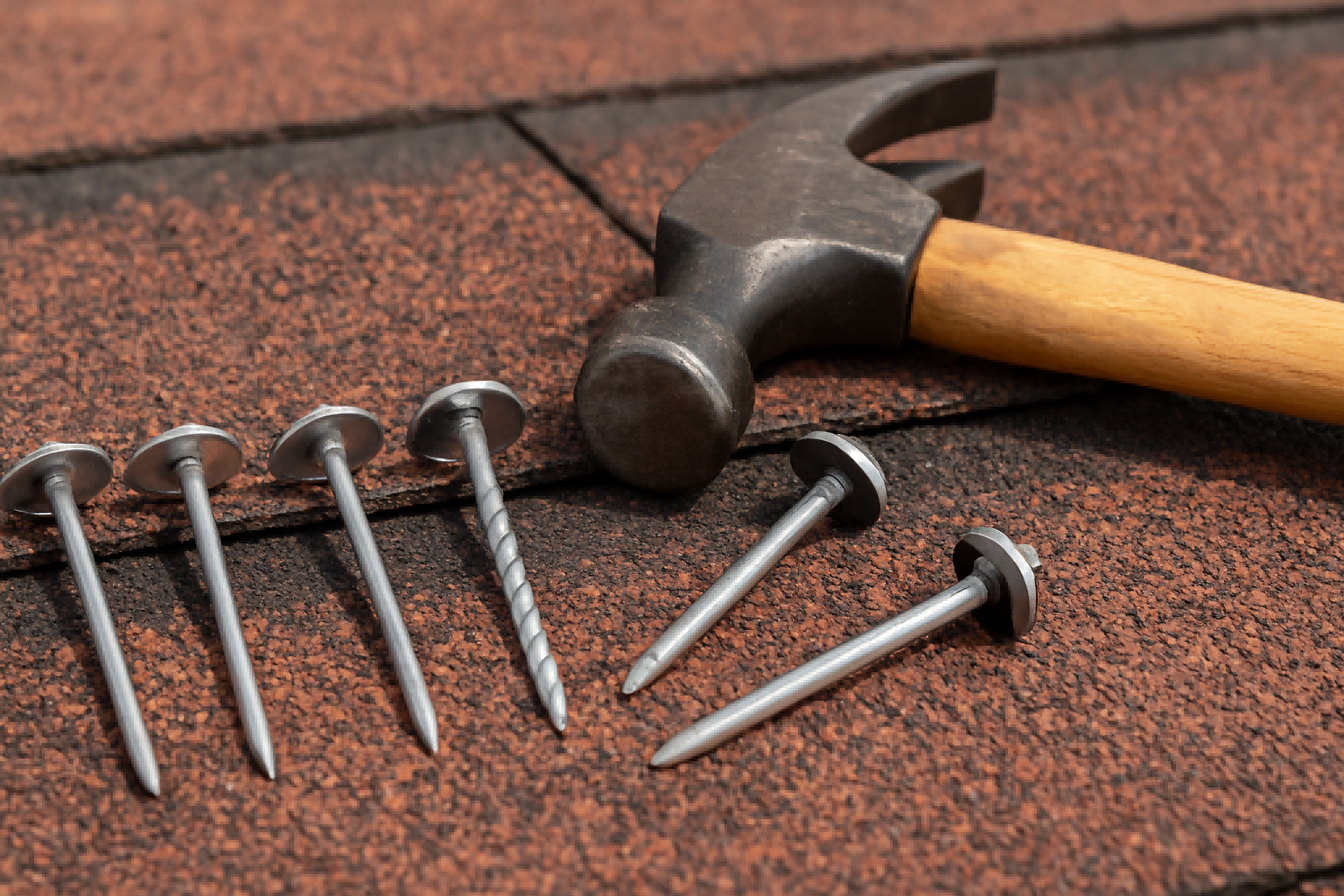
In the fastener industry, particularly within the West African market, a common misconception prevails: that a nail is merely a commodity. However, with over a decade of experience in global supply chains, I have observed that in environments like Accra’s salt-laden coast or Kumasi’s high-humidity regions, the roofing nail is the single point of failure for the entire building envelope. When we discuss umbrella nails, we aren’t just talking about steel; we are talking about structural integrity and long-term moisture mitigation.
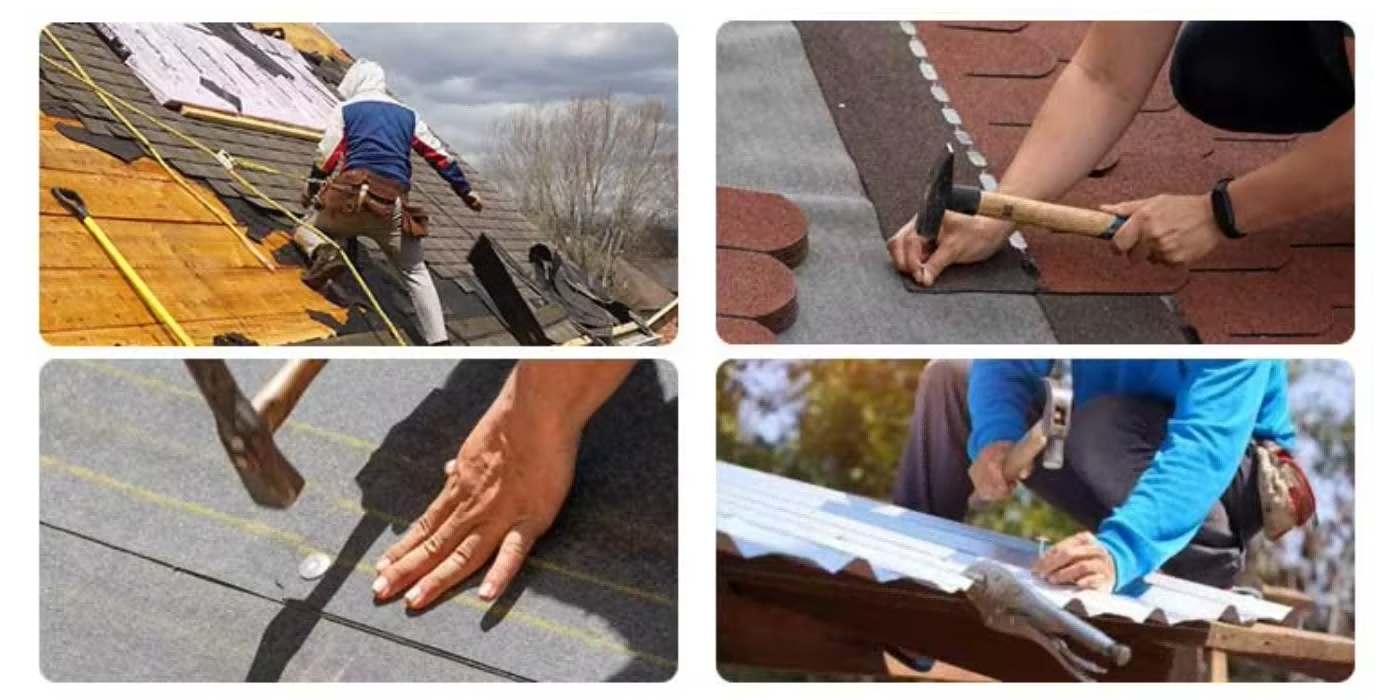
Beyond the Box: Decoding the Correlation Between Steel Weight and Procurement Value
For many importers in Ghana, the “Price per Bag” is the primary metric. But seasoned procurement officers know that weight is the only objective truth in steel manufacturing. In this industry, the “Hidden Math” often hides a compromise in quality.
1, The “Nominal vs. Actual” Discrepancy: It is a common industry practice for low-tier suppliers to shave the wire diameter from a standard 3.8mm to a sub-optimal 3.70mm. While the umbrella nail remains visually similar, the structural volume decreases by nearly 10%.
2, The Steel Benchmark: Steel is a global commodity priced by the ton. If your quote is significantly lower than the market average, the supplier is likely reducing the mass. You aren’t paying for fewer nails; you are paying for less steel, which translates to lower shear strength and higher failure rates.
3, ig Head Nails vs. Standard Clout: In heavy-duty roofing, nails with big heads are essential for load distribution. However, if the head thickness is sacrificed to save weight, the nail will “mushroom” or fail under the high-velocity winds common in tropical storms.
Technical Insight: At fastenernails.com, we advocate for transparency. We provide a “Net Weight per Mille (1,000 pcs)” guarantee. In a professional B2B landscape, the scale is the ultimate arbiter of honesty.
Advanced Sealing Technology: Twisted Shanks and EPDM Performance in Tropical Climates
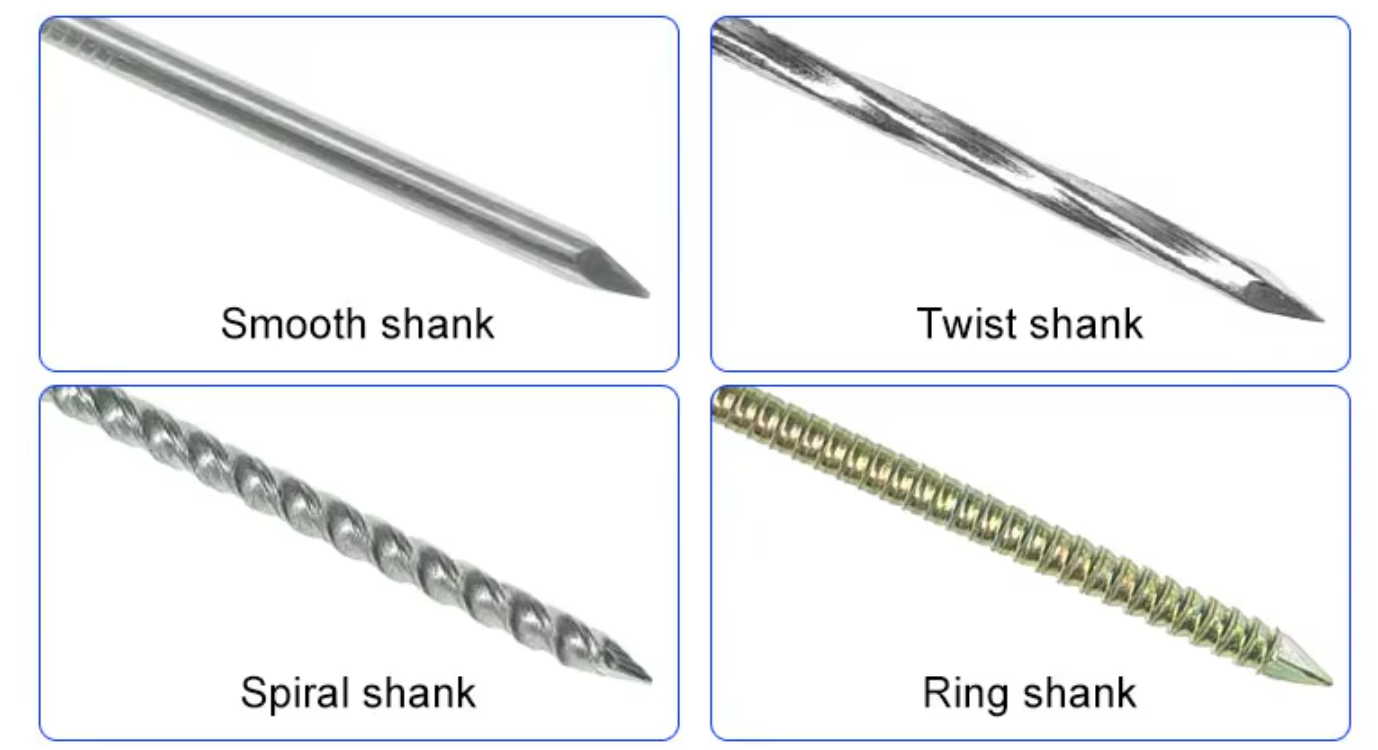
A roof in Ghana must withstand extreme thermal expansion and torrential downpours. A standard fastener simply won’t suffice.
1. Torsional Retention: Why Twisted Shanks Matter
We specifically recommend twisted shank (or screw shank) configurations for the Ghana market. Unlike smooth shanks, the twisted profile creates a mechanical lock within the timber purlins. As tropical wood expands and contracts with humidity, the twisted shank maintains its withdrawal resistance, preventing “nail pop” and subsequent leaks.
2. The EPDM Advantage: Rubber Washers and UV Degradation
If you are sourcing roof nails with rubber washers, the polymer composition of the washer is critical.
A, Standard PVC vs. EPDM: Most budget options use reclaimed plastic washers that turn brittle under Ghana’s intense UV index.
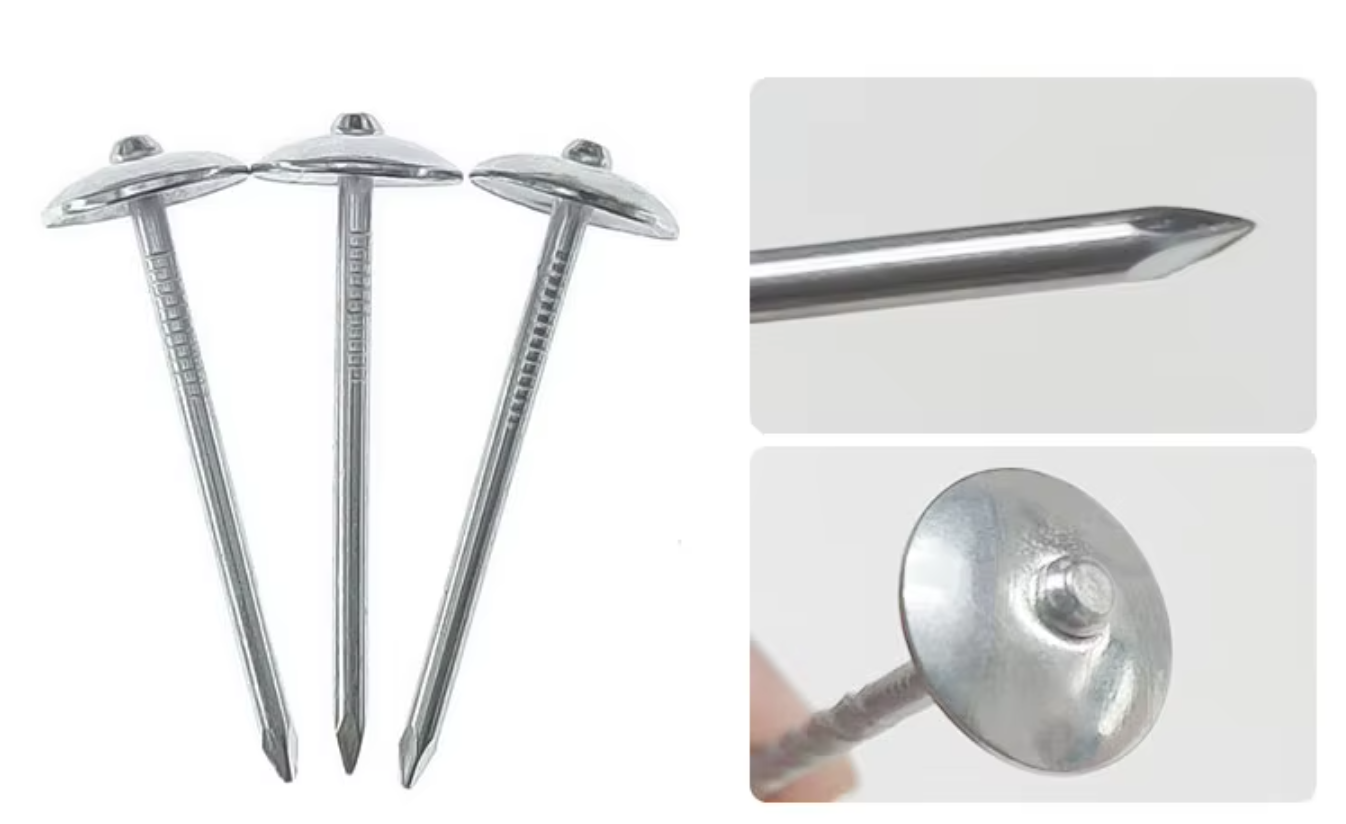
B, The Seal: We utilize high-grade rubber washers (EPDM) that retain elasticity for decades. This ensures that even as the roofing sheet vibrates under wind load, the seal around the big head nail remains hermetic.
Integrated Fastening Solutions: From Roofing Coils to Industrial Staples
While roofing is a primary focus, a robust construction supply chain requires a diversified fastener inventory. Our expertise extends across the full spectrum of industrial applications:
A, Precision Carpentry: For furniture manufacturing and cabinetry, selecting the correct types of staples is vital for production uptime. Whether you require large wood staples for heavy framing or fine-wire upholstery staples, the gauge consistency is what prevents pneumatic tool jamming.
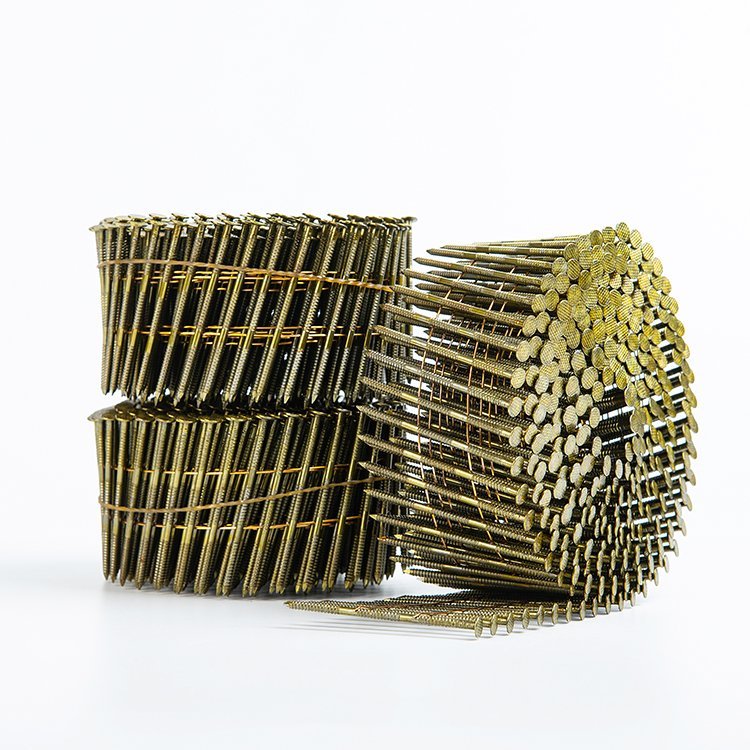
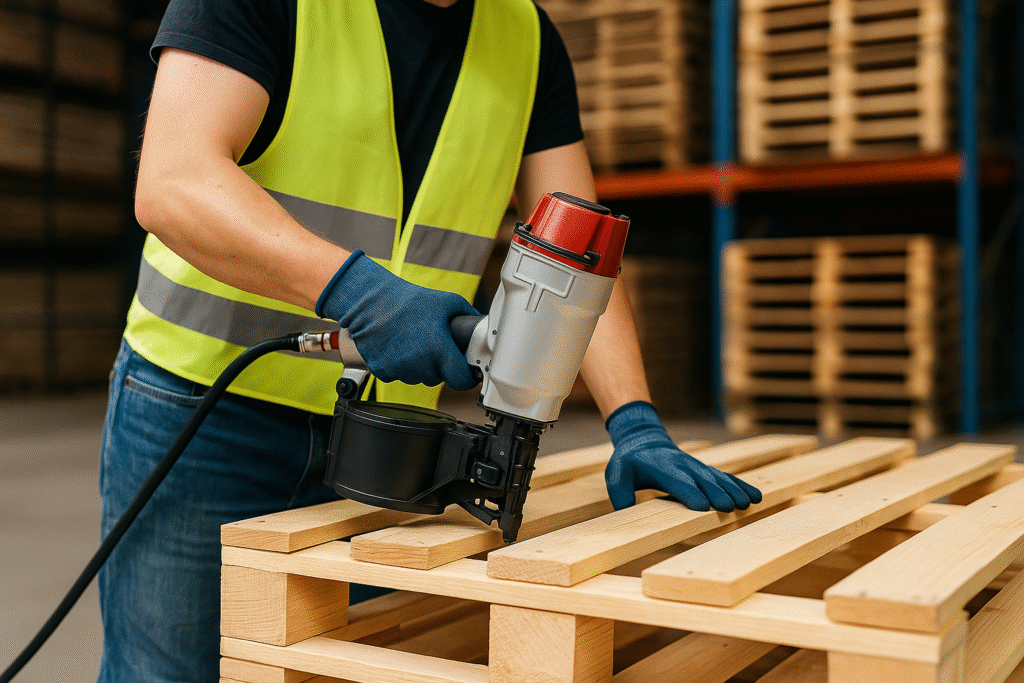
B, Industrial Efficiency: For large-scale roofing projects, the transition to a coiled nail gun can increase installation speed by 300%. Understanding how many roofing nails in a coil (typically 120 for standard roofing or up to 3,000 for high-volume industrial coils) is essential for accurate site-load calculations and labor forecasting.
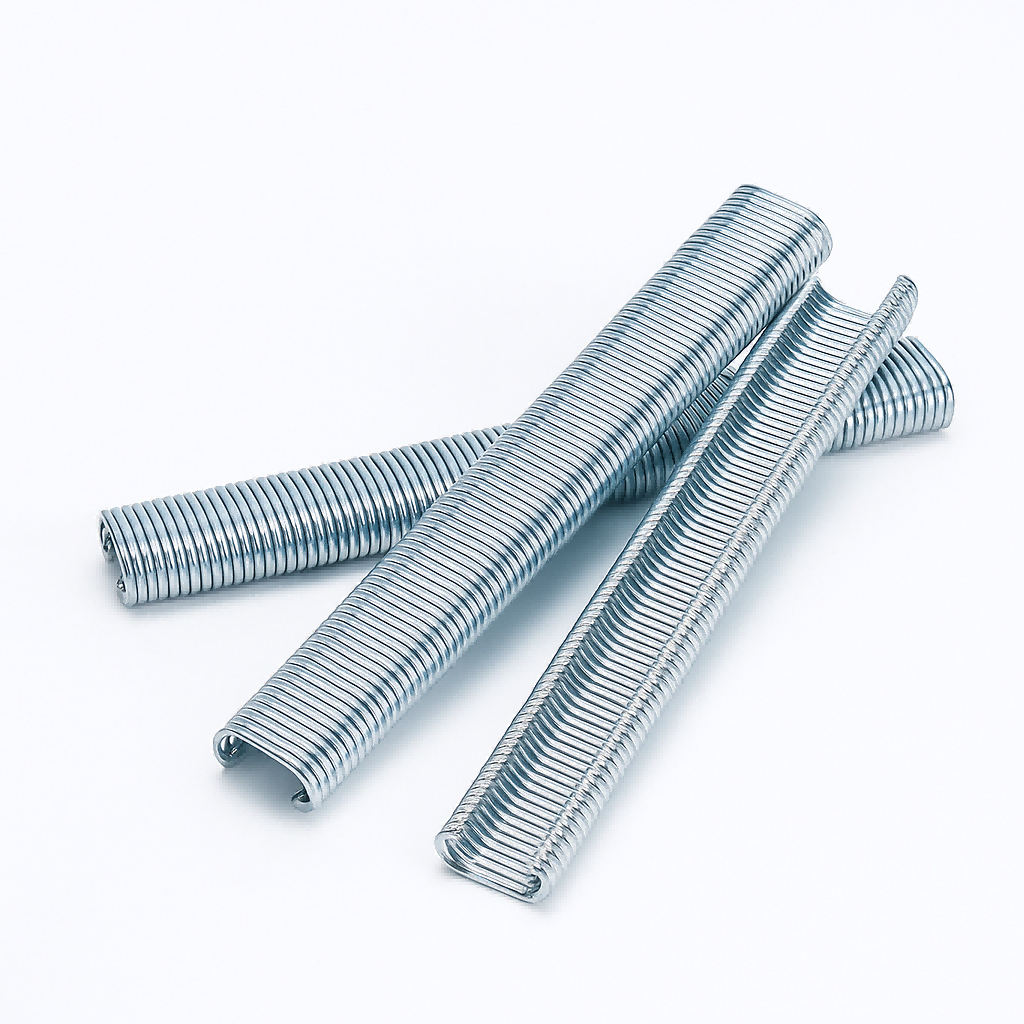
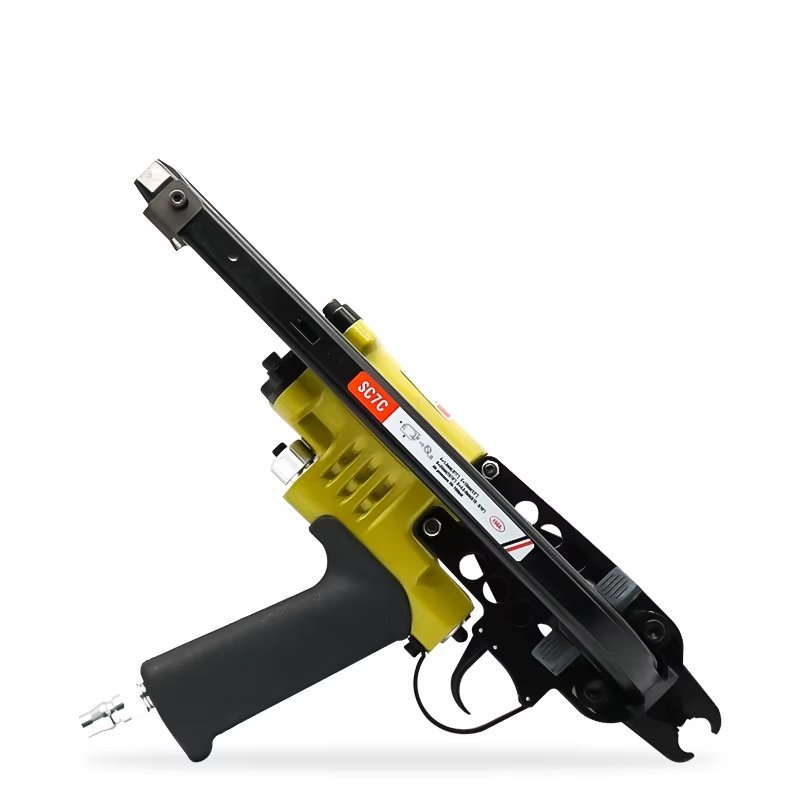
C, Fencing & Perimeter Security: As a specialized hog ring manufacturer, we provide high-zinc hog ties for fencing designed to withstand the corrosive environments of coastal West Africa.
Navigating the complexities of the fastener market requires more than just a vendor; it requires an operator who understands the intersection of metallurgy and logistics. Whether you are analyzing the types of staples for a factory or specifying umbrella nails for a government housing project, quality is the best hedge against risk.

Are you ready to optimize your procurement with weight-verified fasteners? Contact David Song at fastenernails.com for a technical consultation.
FAQ: Common Questions About Sourcing Roofing Nails for Ghana
Q1: Why are your umbrella nails more expensive than some other quotes I’ve received?
A: It usually comes down to the weight of the steel. Many “cheap” suppliers reduce the wire diameter by just 0.1mm to save money. This makes the nail much lighter and weaker. In a heavy tropical storm in Ghana, those thin nails can bend or snap. We focus on full-weight nails because we know that a cheaper price is no good if the roof fails.
Q2: For the Ghana market, should I choose a smooth shank or a twisted shank?
A: I always recommend the twisted shank (screw shank) for the West African market. Because of the high humidity and heat, wooden purlins often expand and shrink. A smooth nail can slowly loosen and “pop out” over time, leading to leaks. A twisted shank grips the wood like a screw, ensuring your umbrella nails stay secure for decades.
Q3: How can I verify if I am getting the quality I paid for?
A: Don’t just count the nails; use a scale. The most honest way to check quality is the Net Weight. Ask your supplier for the “Weight per 1000 pieces.” When your shipment arrives, weigh a few random bags. If the weight is lower than promised, the supplier has likely “shaved” the wire diameter. At fastenernails.com, we provide weight-guaranteed quotes so you know exactly what you are getting.




 English
  Arabic
  Spanish
  Portuguese